

Night Vision vs Thermal: Key Differences and Uses
Choosing between night vision and thermal imaging depends on what you need to see. Both work after dark, but reveal different information. Whether tracking wild boar, observing wildlife or preparing for outdoor use, your priorities determine the better choice.
In the night vision vs thermal comparison, the deciding factor is visual detail versus heat detection. Night vision produces recognisable images for observation and navigation. Thermal imaging detects temperature differences, helping locate animals in darkness. Neither replaces the other completely. Your environment, available light and activity should guide your decision.
- Night vision - Amplifies available light to reveal shapes, terrain and visual details for identification.
- Thermal imaging - Detects heat differences without visible light, highlighting warm animals against cooler surroundings.
How does night vision work, and when should you choose it?
Night vision amplifies available light, showing objects, surfaces and terrain through reflected light rather than temperature differences.
This matters when recognising what you are observing.
When watching deer near woodland, you may need to distinguish animals from vegetation or navigate uneven ground. Night vision preserves visual information thermal imaging cannot reproduce.
Available light is the main consideration. Moonlight, starlight and surrounding illumination affect image quality. Some systems use infrared (IR) illumination when natural light is insufficient.
Conventional light-amplifying night vision requires illumination. Performance also depends on equipment and environmental conditions.
At MSS Tactical, our night vision range includes monoculars, goggles and binoculars from AGM Global Vision and Argus.
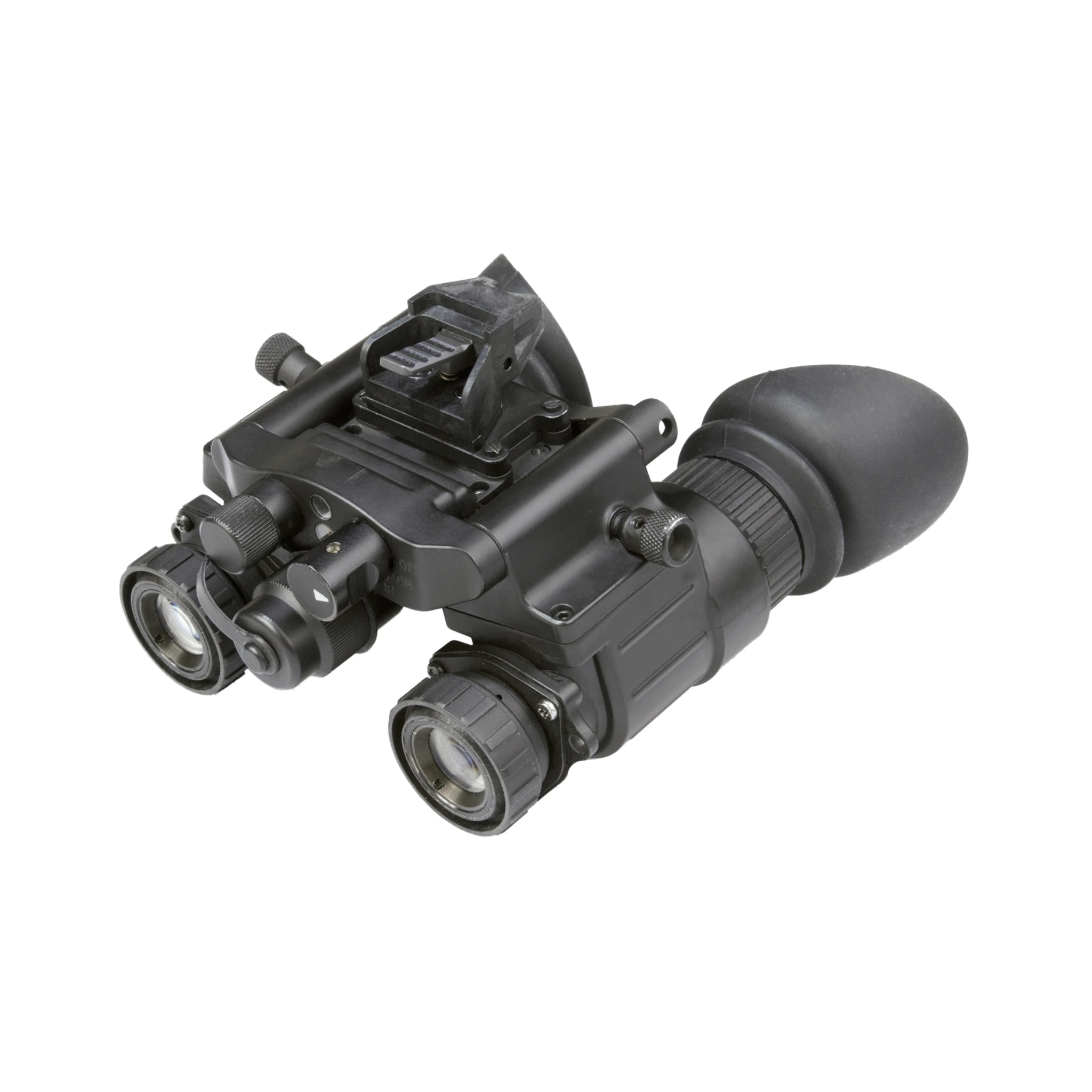
Handheld monoculars suit observation, goggles support head-mounted use, and binocular configurations enable two-eyed viewing.
Explore night vision monoculars or compare night vision goggles and binoculars for your intended activity.
Choose night vision when visual detail and recognising surroundings matter more than detecting concealed heat sources.
How does thermal imaging work, and when is it the better choice?
Thermal imaging detects infrared radiation differences, converting them into visible temperature patterns.
Unlike conventional night vision, it works in complete darkness without moonlight, starlight or artificial illumination.
A wild boar moving through a field may produce a recognisable heat signature against cooler vegetation, making it easier to locate.
This makes thermal imaging valuable for detection and initial scanning.
It can detect heat through some light vegetation or smoke, although dense foliage, solid obstacles and certain smoke conditions obstruct detection.
However, heat signatures may not reveal enough detail to identify species, age or distinguishing characteristics.
Our thermal imaging collection includes AGM Global Vision monoculars, binoculars, riflescopes and clip-ons.
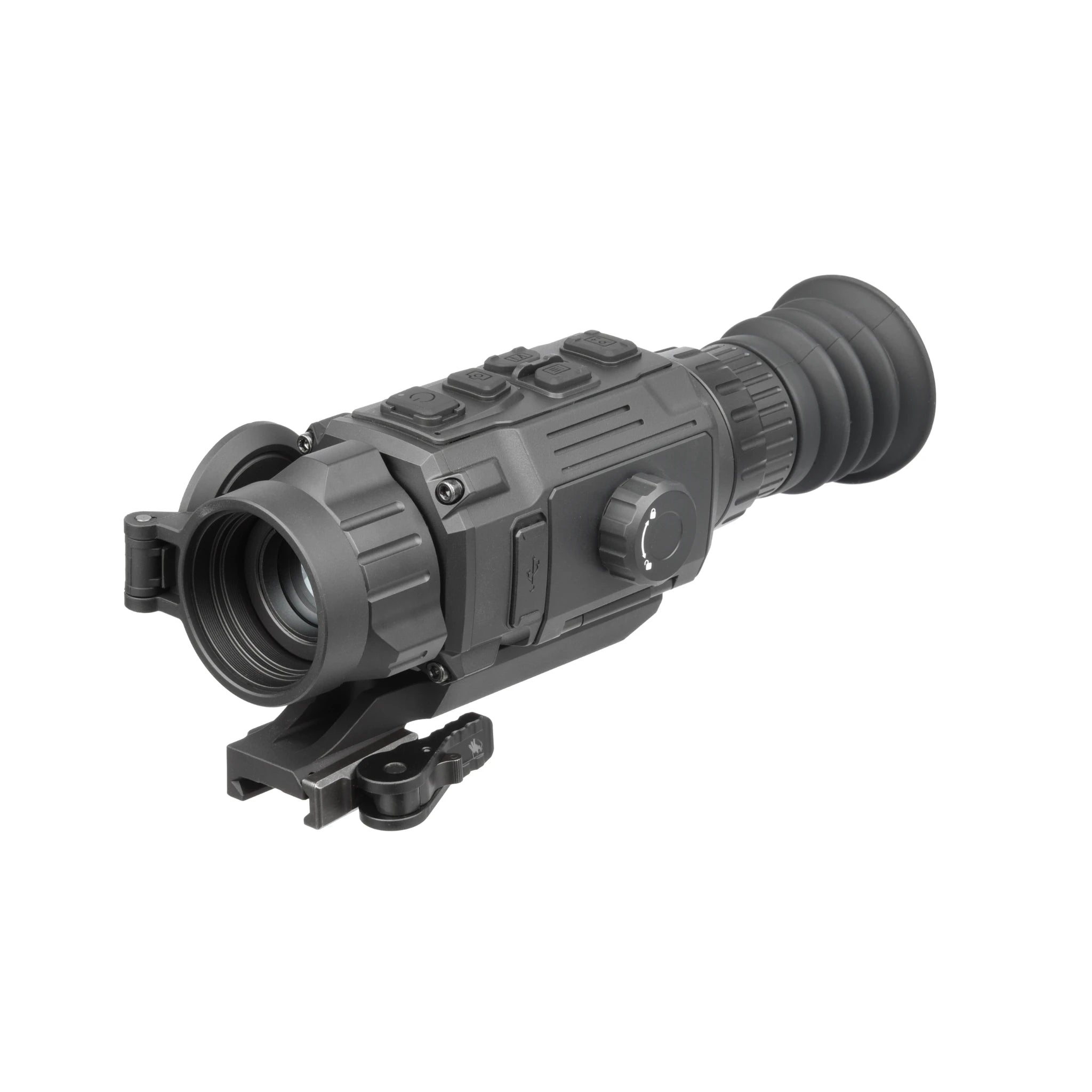
Examples include the AGM Taipan TM19-384 and AGM Sidewinder TM25-384 thermal monoculars.
Explore thermal monoculars and binoculars or thermal riflescopes and clip-ons, including AGM Rattler and Varmint models.
Consider mounting requirements and intended applications separately from detection performance.
Choose thermal imaging when locating animals or heat sources is your priority.
What are the practical differences between night vision and thermal imaging?
The key distinction is detection versus identification.
Detection establishes something is present. Identification establishes what it is.
Thermal imaging highlights temperature contrast for detection. Night vision reveals recognisable characteristics when sufficient illumination exists.
Neither guarantees correct identification.
| Comparison criterion | Night vision | Thermal imaging |
|---|---|---|
| How it sees | Amplifies available light | Detects infrared heat differences |
| Works in total darkness | Requires illumination, potentially infrared | Yes, without external illumination |
| Identification detail | Shows recognisable visual features | Shows temperature patterns and heat shapes |
| Detection through foliage or smoke | Generally obstructed by visible barriers | Can detect through some light foliage or smoke |
| Effect of weather | Fog, rain and reduced visibility affect the image | Rain, fog and reduced thermal contrast affect detection |
| Daytime use | Depends on technology; conventional intensifiers require precautions | Can operate in daylight |
| Typical use cases | Observation, navigation and visual identification | Wildlife detection, scanning and locating heat sources |
Environmental conditions influence performance.
Bright moonlight benefits night vision, while heavy clouds and dark woodland reduce available illumination.
Thermal imaging avoids visible-light dependence, but similar apparent temperatures between animals, ground and vegetation reduce contrast.
Rain and fog affect both technologies differently. Thermal cameras cannot see through every weather condition.
For wildlife observation, decide whether finding animals or examining their visible characteristics matters most.
How should mounting, batteries and daytime use affect your decision?
Mounting, power and daytime operation also influence equipment selection.
Handheld devices suit scanning fields or stationary observation. Head-mounted equipment requires attention to compatibility, weight distribution and controls.
MSS Tactical stocks Argus helmet mounts and battery packs. Our NVG mounts and power collection covers these accessories.
Check compatibility before selecting accessories. Never assume mounts fit different configurations.
Battery requirements vary, and cold conditions can affect performance during extended sessions.
Compare manufacturer requirements for your exact model rather than assuming runtime.
Thermal clip-ons and riflescopes require consideration of existing optics, installation and intended operation.
Daytime use introduces another distinction.
Conventional image-intensifying night vision may need protection from excessive light. Thermal imaging works during daylight by measuring thermal radiation.
Another option is digital day/night optics.
These use electronic imaging for daytime and nighttime observation, sometimes requiring infrared illumination at night.
Our digital day and night optics collection includes the AGM Spectrum LRF 4K and AGM Spectrum 4K-Mini digital riflescopes.
Consider digital optics when you need daytime functionality and one system for changing light conditions.
Which technology should you choose for hunting, wildlife observation or preparedness?
Your activity determines which technology deserves priority.
For hunting-related observation, thermal imaging helps scan fields, woodland boundaries and animals in darkness.
Handheld thermal monoculars detect heat signatures without moonlight.
However, detecting an animal does not establish its identity. Identification and safe decisions remain essential.
Night vision suits terrain awareness, observing visible characteristics and navigating familiar surroundings.
Wildlife enthusiasts can use thermal equipment to locate difficult-to-see animals, while night vision provides familiar images when lighting permits.
For outdoor preparedness, consider ambient light. Complete darkness favours thermal detection; visual awareness may favour night vision.
Compare our night vision and thermal optics selection for available options.
Across Europe, hunting regulations governing night vision and thermal equipment vary by country and region. Check current local law before purchasing or hunting.
Both technologies require responsible observation, correct identification and safe field practices.
Frequently Asked Questions
Is thermal imaging better than night vision for wild boar?
Thermal imaging helps locate wild boar through heat contrast, even without ambient light. Night vision offers visual detail and environmental awareness. Neither guarantees identification, and local hunting regulations must be checked.
Can night vision see animals hidden behind bushes?
Night vision generally cannot reveal animals behind dense vegetation because reflected light is obstructed. Thermal imaging may detect heat through gaps or light foliage, but leaves and branches block thermal radiation. Neither reliably sees through dense bushes, trees or solid obstacles. Conditions determine visibility.
Can you use thermal imaging during the day?
Yes. Thermal imaging detects infrared radiation independently of visible light. However, warm ground and vegetation can reduce temperature contrast, making animals harder to detect. Digital day/night optics offer conventional daytime viewing alongside nighttime capability.
Do you need both night vision and thermal imaging?
Both can help when thermal detection and detailed visual observation are required. However, one device may suffice. Thermal suits scanning; night vision reveals recognisable surroundings. Consider budget, mounting, environment and usage frequency.
Where does MSS Tactical ship night vision and thermal equipment from?
MSS Tactical is the online store of MSS Defence, based in Maasdijk, the Netherlands. According to the MSS Tactical homepage and company information, stock is held in Maasdijk and orders ship from the Netherlands. Orders are dispatched within 1-3 days of purchase. International shipping varies by destination; check import restrictions, customs duties and local regulations.
Your choice depends on the information required. Thermal imaging prioritises finding heat sources in darkness. Night vision provides recognisable detail and environmental awareness. Digital day/night optics offer daytime functionality.
Choose according to operating conditions, identification requirements and mounting needs to find equipment suited to regular use.